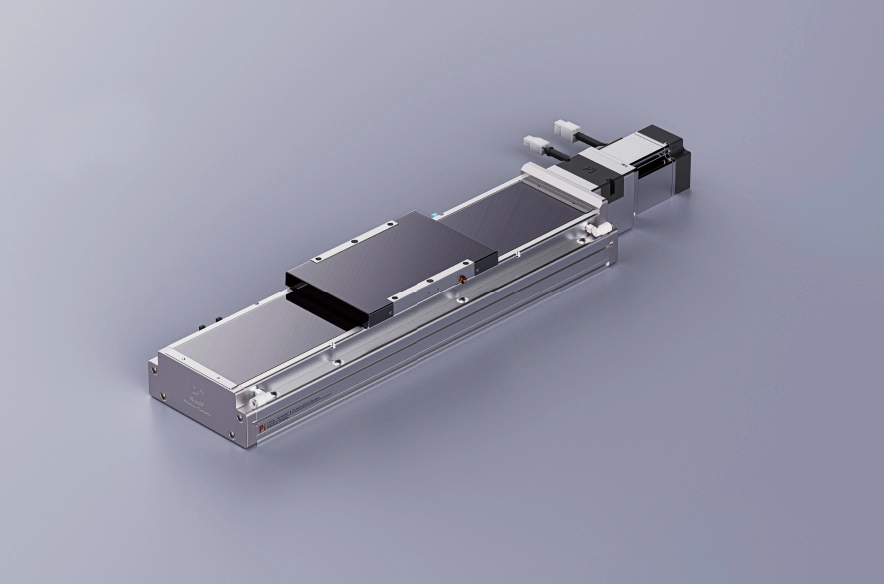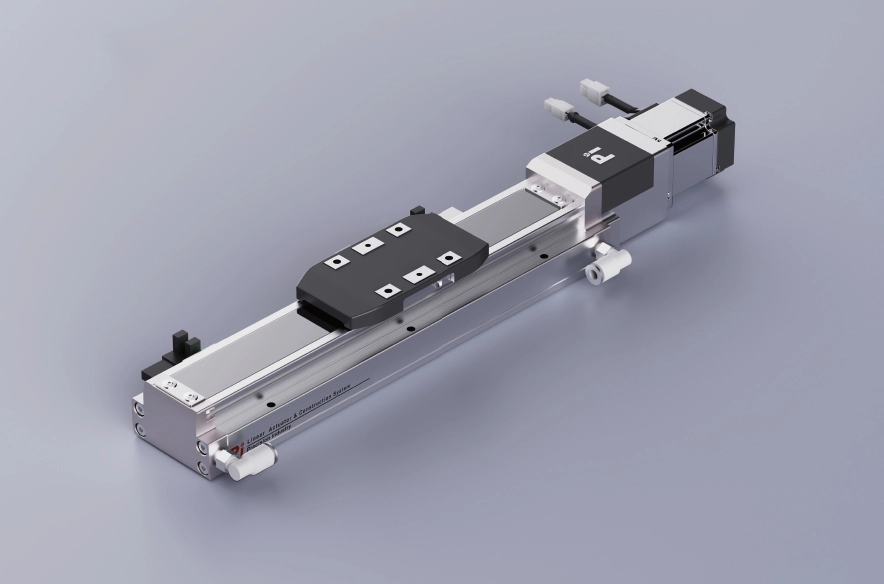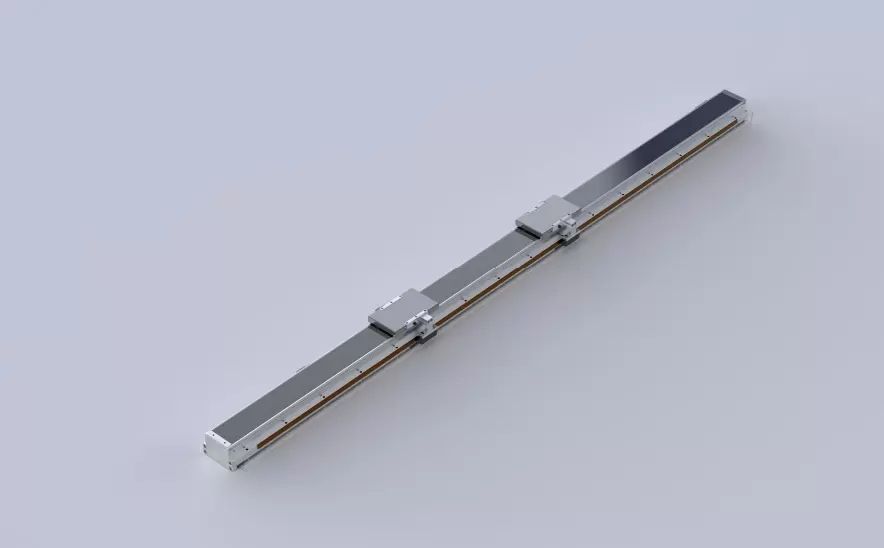
Lato inferiore del motore
Ripetibilità: ±0,005/0,01 mm Carico orizzontale: 110 kg Carico verticale: 33 kg Velocità massima: 250 mm/s Intervallo di corsa: 100-1050 mm

 Posizione attuale:Casa > Azienda > Notizia > Ultime notizie > How to Use Precision Positioning Slide Tables for Optimal Repeatability
 Date: Apr 08 2026
In many precision applications, repeatability is just as important as accuracy. Whether in automated assembly, semiconductor handling, optical alignment, or laboratory testing, operators often need a positioning system to return to the same point thousands—or even millions—of times without noticeable variation.
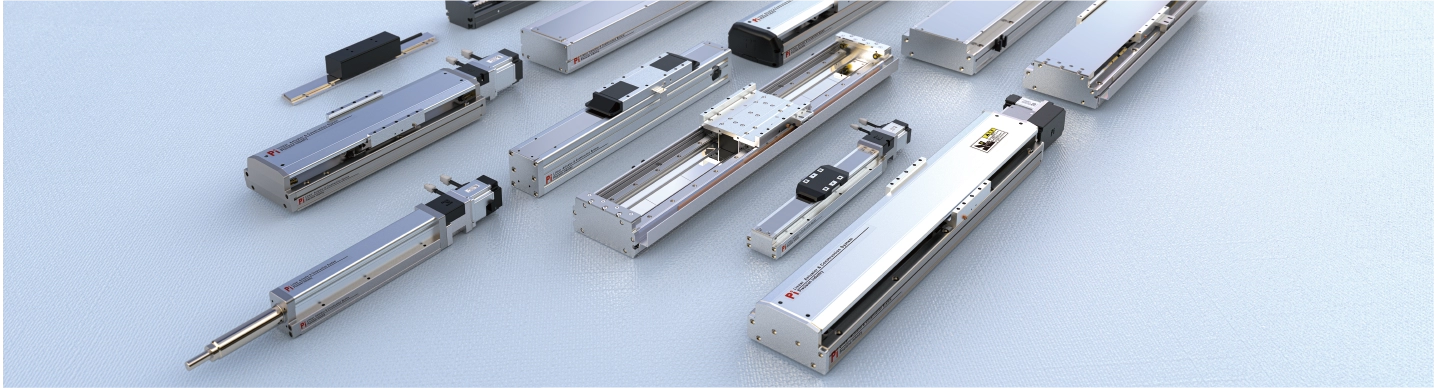
Precision positioning slide tables are designed to achieve this level of consistency. However, reaching optimal repeatability depends not only on the design of the equipment but also on how it is installed, operated, and maintained. Understanding a few practical principles can help ensure that the slide table performs reliably in long-term operation.
Repeatability refers to the ability of a positioning system to return to a specific location repeatedly under the same conditions. Unlike absolute accuracy, which measures how close the system is to a true position, repeatability focuses on consistency.
For many automated processes, consistent movement is what keeps production running smoothly. If the slide table always stops at the same location—even if the reference point is slightly offset—the process can still remain stable.
This is why repeatability is often a key specification when selecting precision motion equipment.
One of the most important factors affecting repeatability is the mechanical foundation of the system. If the slide table is mounted on an unstable or uneven surface, even the most advanced stage may struggle to maintain consistent positioning.
To improve stability:
Install the slide table on a rigid, flat base
Tighten mounting bolts evenly
Avoid structural flex in the supporting frame
Ensure fixtures and tooling are firmly secured
A solid mechanical setup minimizes unwanted movement that could affect positioning results.
Load placement plays a significant role in motion stability. When weight is unevenly distributed, it can introduce slight tilting or increased friction during movement.
For best repeatability:
Place the workpiece close to the center of the platform
Avoid loads that extend far beyond the mounting area
Use properly designed fixtures to secure the load
Balanced loads help maintain consistent motion and reduce stress on guide components.
Repeatability can also be influenced by how the slide table moves. Sudden changes in speed or acceleration may introduce small vibrations that affect positioning results.
Operators should aim for consistent motion profiles by:
Using smooth acceleration and deceleration settings
Avoiding unnecessary speed fluctuations
Keeping motion parameters consistent across cycles
Stable motion control allows the system to return to the same position reliably.
Polvere e detriti possono interferire con il movimento lineare regolare. Anche le particelle più piccole sulle guide possono aumentare l'attrito o causare piccole variazioni nel movimento.
Una pulizia regolare aiuta a mantenere prestazioni affidabili:
Pulisci le guide esposte quando necessario
Evitare l'accumulo di trucioli o particelle
Utilizzare coperture protettive se l'ambiente contiene detriti
I componenti Clean Motion supportano movimenti costanti per lunghi periodi.
I sistemi di movimento di precisione sono sensibili all’ambiente circostante. I cambiamenti di temperatura, le vibrazioni e il movimento dell'aria possono influenzare la stabilità del posizionamento.
Per mantenere la ripetibilità:
Utilizzare il sistema in un ambiente a temperatura stabile
Ridurre al minimo le vibrazioni provenienti dalle macchine vicine
Mantieni lo spazio di lavoro organizzato e controllato
Un ambiente stabile aiuta a garantire che ogni ciclo di movimento si comporti come il precedente.
Con il passare del tempo, i componenti meccanici subiscono naturalmente usura. Le ispezioni regolari aiutano a garantire che il tavolo scorrevole continui a funzionare in modo coerente.
Le pratiche di manutenzione possono includere:
Controllo degli elementi di fissaggio e dell'hardware di montaggio
Verifica del movimento regolare lungo la corsa
Garantire la corretta lubrificazione delle parti mobili
Revisione delle prestazioni del sistema per piccole modifiche
Affrontare tempestivamente i problemi minori aiuta a mantenere la ripetibilità per tutta la durata del sistema.
Le tavole di scorrimento con posizionamento di precisione sono strumenti potenti per applicazioni che richiedono un movimento coerente e affidabile. Il raggiungimento della ripetibilità ottimale, tuttavia, richiede qualcosa di più dell’hardware avanzato. Dipende da un'installazione attenta, da carichi bilanciati, da un controllo costante del movimento e da una corretta manutenzione.
Seguendo queste linee guida pratiche, gli utenti possono garantire che le loro tavole scorrevoli continuino a fornire prestazioni stabili e ripetibili, anche in ambienti impegnativi in cui precisione e coerenza sono essenziali.