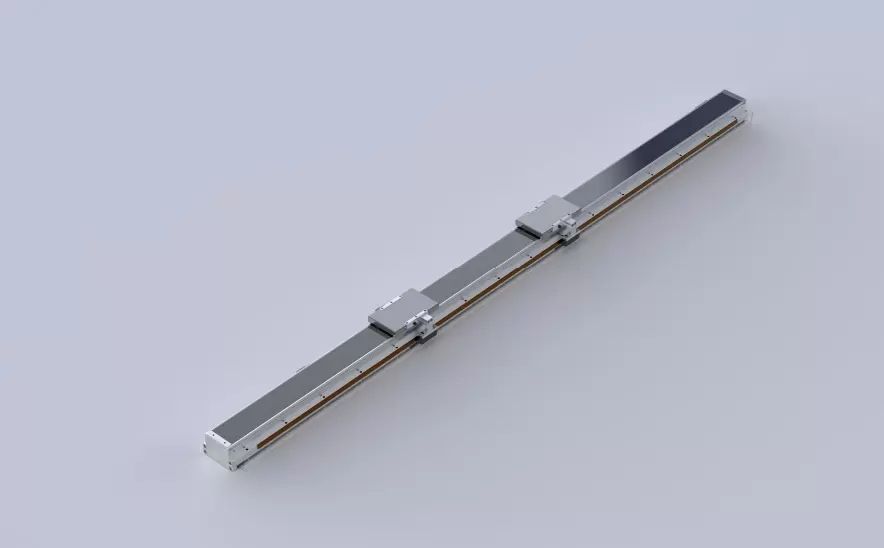
Lato inferiore del motore
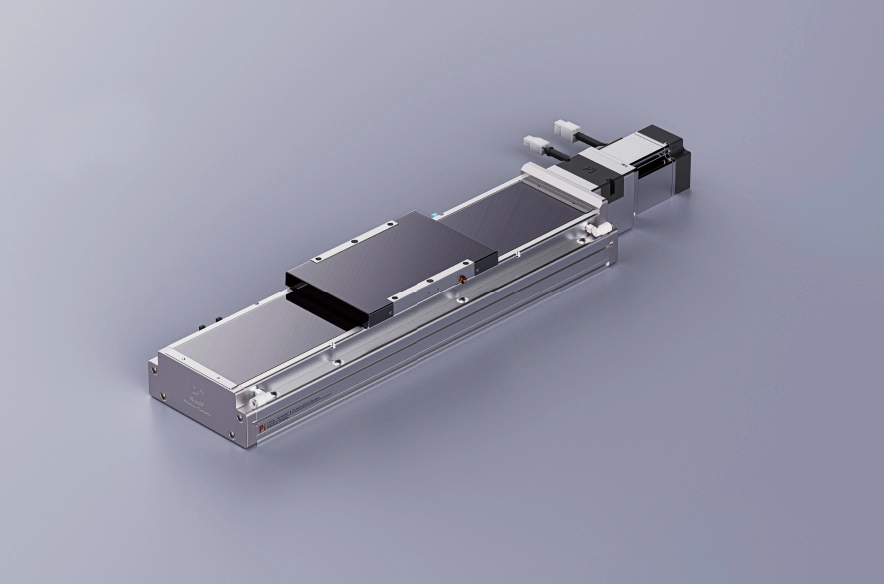
Ripetibilità: ±0,005/0,01 mm Carico orizzontale: 110 kg Carico verticale: 33 kg Velocità massima: 250 mm/s Intervallo di corsa: 100-1050 mm

 Posizione attuale:Casa > Azienda > Notizia > Ultime notizie > How to Adjust Your Precision Positioning Slide Table for Different Tasks
 Date: Apr 29 2026
When working with a precision positioning slide table, small adjustments can make a big difference. Whether you're handling delicate inspection work, high-speed automation, or heavy-duty machining, tuning your slide table properly ensures accuracy, efficiency, and long-term reliability.
As someone who works closely with these systems every day, I’d like to walk you through practical, easy-to-follow ways to adjust your slide table for different tasks—without overcomplicating things.
Before touching a single screw or setting, take a moment to define what you actually need:
High precision? (e.g., semiconductor inspection)
High speed? (e.g., pick-and-place automation)
Heavy load? (e.g., industrial assembly)
Each scenario requires a different balance between speed, stability, and accuracy. Misalignment between your setup and your application is one of the most common causes of poor performance.
Preload refers to the internal tension within the slide’s guide system (often linear guides or ball screws).
Higher preload
Increases rigidity
Reduces vibration
Ideal for precision machining or measurement
Lower preload
Reduces friction
Allows smoother, faster movement
Better for high-speed or low-load tasks
Tip: If you notice vibration during operation, slightly increasing preload can help—but avoid over-tightening, as it can increase wear.
If your slide table is motor-driven (servo or stepper), motion parameters matter just as much as mechanical adjustments.
For precision tasks:
Use lower speeds and gradual acceleration to minimize overshoot.
For high-throughput tasks:
Increase speed, but keep acceleration within safe limits to avoid mechanical stress.
A good rule of thumb:
Smooth motion is often more important than fast motion.
Even the best slide table won’t perform well if it’s not aligned correctly.
Check for:
Parallelism with mounting surfaces
Straightness along the travel path
Proper coupling between motor and drive components
Quick check:
Run the table across its full stroke and listen—unusual noise or resistance often indicates misalignment.
Uneven loads can lead to premature wear and reduced accuracy.
Position the load as close to the center of the slide as possible
Avoid overhanging भार (especially in cantilever setups)
Use dual rails or reinforced models for wider or heavier loads
If your application changes frequently, consider using modular fixtures that allow quick repositioning.
Attività diverse possono richiedere approcci di lubrificazione diversi:
Applicazioni ad alta velocità: utilizzare lubrificanti a bassa viscosità per ridurre la resistenza
Applicazioni con carichi pesanti: utilizzare grasso a viscosità più elevata per una migliore protezione
La lubrificazione regolare non solo migliora le prestazioni ma prolunga anche significativamente la durata.
Per attività che richiedono una precisione a livello di micron:
Eseguire la calibrazione del punto zero prima dell'uso
Se necessario, utilizzare strumenti di misurazione esterni (comparatori, sistemi laser).
Controllare la ripetibilità su più cicli
Anche lievi deviazioni possono accumularsi nel tempo, quindi è essenziale una ricalibrazione periodica.
Dopo aver apportato le modifiche, eseguire sempre un ciclo di prova:
Inizia con una velocità bassa
Osservare la stabilità del movimento
Verificare la presenza di rumore, vibrazioni o deviazioni
Passa alla piena operatività solo quando tutto sembra a posto.
Regolare una tavola scorrevole con posizionamento di precisione non significa apportare grandi cambiamenti, ma piuttosto apportare i piccoli cambiamenti giusti . Comprendendo i requisiti delle attività e ottimizzandole di conseguenza, è possibile migliorare notevolmente sia le prestazioni che la durata.
Se passi spesso da un'applicazione all'altra, potrebbe valere la pena documentare le tue impostazioni. Avere un riferimento rapido può far risparmiare tempo e garantire la coerenza tra le operazioni.